Accessories & Products
Choosing the right accessories and products for your dog goes far beyond aesthetics or convenience. In Canada’s diverse climate zones—from coastal British Columbia’s rain to Prairie winters and Ontario’s variable seasons—the gear you select directly impacts your pet’s safety, comfort, and quality of life. Whether you’re securing your backyard against escape artists, preparing for backcountry hikes, or protecting paws from road salt, understanding the nuances of each product category helps you make informed decisions that truly serve your dog’s needs.
This comprehensive resource examines the core categories of canine accessories: environmental control for your property, containment solutions built for Canadian weather, adventure equipment for active dogs, proper harness selection and fit, seasonal protection strategies, mental enrichment tools, and recovery technology. Each section connects practical product knowledge with the unique challenges faced by Canadian pet owners, offering clear criteria to evaluate options and avoid common mistakes.
Creating a Safe Outdoor Environment
Your yard represents both opportunity and risk. A well-managed outdoor space provides enrichment, exercise, and bathroom convenience, but without proper environmental control, it can harbour parasites, expose pets to toxic plants, or create behavioural problems.
Strategic Ground Cover Selection
The materials you choose for your yard’s surface play multiple roles. Cedar mulch naturally repels fleas and ticks through aromatic compounds, making it a functional choice for Canadian gardens where these parasites become active in spring. However, not all mulches perform equally—cocoa mulch, while attractive, poses toxicity risks, and untreated wood chips can harbour harmful organisms. Creating urine-resistant spots requires understanding drainage and plant tolerance; native grasses like Canada wild rye withstand frequent urination better than Kentucky bluegrass while requiring less water.
Timing and Seasonal Treatments
Effective yard management follows the calendar. Applying beneficial nematodes—microscopic organisms that prey on flea larvae—works best when soil temperatures reach 10°C, typically late April in southern Ontario or early June in Alberta. This biological approach eliminates the toxicity concerns of chemical pesticides while addressing infestations at their source. Fall presents different challenges: leaf piles attract rodents and create humid pockets where parasites overwinter, making prompt removal essential despite their appeal as play structures.
Plant Selection for Northern Zones
Canadian gardeners in zones 2-6 face a critical reality: many popular ornamental plants pose serious health risks. Spring bulbs like tulips, daffodils, and hyacinths contain toxins concentrated in their bulbs—precisely the part curious dogs might excavate. Native alternatives such as wild bergamot, black-eyed Susans, and serviceberry provide visual interest without veterinary emergency risk. Timing establishment plantings for early fall allows root development before ground freeze, increasing survival rates and reducing the temptation of loose soil that invites digging.
Containment Solutions for Canadian Climates
Fencing in Canada must withstand not just your dog’s determination but also dramatic temperature swings, frost heave, and seasonal ground movement that compromises even professionally installed systems.
Physical Barriers vs. Technology
The debate between physical fences and invisible boundaries involves more than philosophy. Physical barriers provide absolute containment regardless of distraction level, protect against wildlife intrusion (crucial in areas with coyotes or bears), and don’t require your dog to experience corrections. Invisible systems offer aesthetic advantages and lower installation costs but fail during power outages, require consistent training maintenance, and provide no protection from external threats entering your property.
Climate-Specific Vulnerabilities
Canadian winters create unique structural challenges. Frost heave—the upward soil movement caused by freeze-thaw cycles—gradually lifts fence posts, creating gaps at ground level. Gates suffer particularly, with expanding ground pushing bottom rails upward while the frame remains stationary. Steel posts set below the frost line (1.2 metres in Toronto, 1.8 metres in Winnipeg) with concrete collars resist this movement better than wooden posts. Horizontal slat designs, while modern looking, provide ladder-like climbing assistance for athletic breeds and should be avoided in favour of vertical pickets.
Advanced Escape Prevention
Determined dogs exploit every weakness. Coyote rollers—spinning bars mounted atop fences—prevent the paw grip needed for climbing and prove particularly effective for breeds like Huskies and Malamutes with strong prey drive. For diggers, an L-footer (wire mesh extending 60 cm outward at ground level, then buried) creates an underground barrier without deep excavation. Regular perimeter inspections during spring thaw identify developing gaps before they become escape routes.
Adventure and Hiking Equipment
Backcountry adventures with your dog require specialized gear that addresses hydration, injury risk, load carrying, and wildlife encounters specific to Canadian wilderness.
Essential Safety Items
A properly stocked K9 first aid kit differs significantly from human versions. Include gauze for paw injuries, a muzzle (even friendly dogs may bite when hurt), tweezers for porcupine quills, eye wash for trail debris, and antihistamine for insect reactions (dosage confirmed with your veterinarian beforehand). The kit should travel in a waterproof case, as moisture ruins adhesives and promotes bacterial growth in bandages.
The Bear Bell Controversy
Canadian trails often recommend bear bells, but their effectiveness remains debated. While bells theoretically alert bears to your presence, allowing them to retreat, wind, terrain, and bell quality affect audibility dramatically. More reliable: keeping dogs leashed in bear country, making periodic loud calls, and travelling during midday when bears are less active. Off-leash running, while enjoyable for dogs, prevents quick recall during wildlife encounters and is prohibited in many national parks.
Hydration Challenges
Dehydration develops quickly during exertion, yet many owners underestimate water needs. A 30-kilogram dog hiking actively requires approximately one litre of water per two hours. Relying on natural water sources introduces Giardia and bacterial risks, particularly in areas with beaver activity. Collapsible bowls pack efficiently, but water bladders with attached bowl systems provide faster access during brief stops. The common error: waiting until your dog pants heavily rather than offering water proactively at 30-minute intervals.
Harnesses: Fit, Function, and Longevity
Poorly fitted harnesses cause injury, behavioural problems, and equipment failure. Understanding measurement points, design purposes, and wear indicators ensures both safety and comfort.
Proper Measurement Techniques
The topline measurement—from the base of the neck to the tail set—determines harness length, while girth (the widest part of the ribcage, just behind the front legs) controls band sizing. Measure with your dog standing naturally, using a flexible tape held snugly but not compressed. Hard-to-fit breeds like Greyhounds (deep chested) or Bulldogs (barrel chested) require specialized designs that prevent the shoulder restriction common in standard harnesses, which impedes natural gait and can cause long-term joint issues.
Design Features and Trade-offs
Handle placement transforms emergency control. A reinforced back handle allows quick lifting over obstacles or restraining during wildlife encounters but adds weight and cost. Belly coverage distributes pulling force across a larger area, reducing pressure points critical for dogs with tracheal issues. Connection hardware presents choices: metal snaps withstand greater force than plastic but corrode in salt exposure, while velcro offers adjustment ease but loses grip when contaminated with mud or fur.
Maintenance and Replacement Timing
Wet webbing develops mildew and loses tensile strength. After rain exposure or water crossings, harnesses should air dry completely before storage—never left in vehicle trunks or sealed containers. Inspect stitching at stress points monthly; fraying or exposed threads indicate approaching failure. Most quality harnesses require replacement every 18-24 months with regular use, sooner if exposed frequently to saltwater or de-icing chemicals common on Canadian winter streets.
Seasonal Protection for Canadian Weather
Temperature extremes from coast to coast demand proactive protection strategies. From winter salt exposure to UV radiation during summer hikes, seasonal accessories prevent injury and discomfort.
Winter Paw Care
Road salt and de-icing chemicals cause chemical burns, cracking, and digestive issues when licked from pads. Protective wax applied before walks creates a barrier layer, but application technique matters: warming the wax between your palms before massaging into pads ensures penetration into crevices. Wax outperforms lotions in durability under wet conditions, lasting through 45-60 minute winter walks. The critical post-walk step many skip: wiping paws with lukewarm water removes salt residue before your dog licks it, preventing gastric irritation.
Apparel Fit and Function
Not all dogs require clothing, but short-coated breeds, seniors with reduced circulation, and small dogs with high surface-area-to-volume ratios benefit significantly when temperatures drop below -10°C. Belly coverage protects vital organs and prevents snow balling in abdominal fur. Proper fit allows two fingers between fabric and body—tighter restricts movement and breathing, looser allows cold air intrusion. Armpit chafing develops where leg straps rub during walking; seams should be flat or externally placed in this zone.
Visibility Optimization
Canadian winters mean walking in darkness. Reflective trim reflects vehicle headlights but provides no illumination; LED-integrated designs offer 360-degree visibility in unlit areas. Flashing modes attract more attention than steady light, particularly important on rural roads without sidewalks where drivers may not expect pedestrians.
Mental Enrichment Tools
Physical exercise alone doesn’t satisfy canine needs. Puzzle toys and feeding enrichment provide crucial mental stimulation, reducing destructive behaviours and anxiety.
Understanding the Investment Value
Quality puzzle toys represent genuine return on investment when compared to replacement costs for destroyed furniture or veterinary behavioural consultations. A $35 treat-dispensing toy that occupies a dog for 20 minutes daily prevents boredom-driven destruction and reduces separation anxiety. However, the material matters: natural rubber withstands aggressive chewing far better than plastic alternatives, which crack and create ingestion hazards.
Progressive Difficulty and Supervision
Introducing overly complex puzzles too quickly builds frustration rather than confidence. Start with simple single-step challenges (removing a lid to access treats), then progress to multi-step problems as competence develops. Frustration tolerance varies significantly between individuals—some dogs persistently problem-solve for 30 minutes, others quit after three failed attempts. Unmonitored play with puzzle toys risks ingestion of broken pieces or choking, particularly with designs featuring removable components.
Mealtime Optimization
Slow-feeder bowls and snuffle mats transform the biological necessity of eating into enrichment. Dogs evolved to forage, not consume meals in 90 seconds from a bowl. Spreading kibble through a snuffle mat’s fabric folds engages natural scenting behaviours and extends mealtimes to 10-15 minutes, promoting better digestion and mental satisfaction.
GPS Trackers and Recovery Technology
Lost pet recovery increasingly relies on technology, but understanding system limitations prevents false confidence and informs backup planning.
Coverage Realities in Canadian Geography
GPS trackers don’t function in isolation—they require cellular networks to transmit location data. Cell coverage gaps remain extensive across rural Canada, cottage country, and wilderness areas. A tracker showing your dog’s last known location from 20 minutes ago provides limited value if they’ve continued running. Radio frequency systems offer independence from cellular networks with ranges up to 16 kilometres in open terrain, but performance degrades dramatically in dense forest or ravines common in Canadian Shield geography.
Battery Performance and Testing
Advertised battery life assumes ideal conditions—room temperature, intermittent use, and strong signal strength. Real-world Canadian winter performance shows 30-40% reduction in battery duration when temperatures drop below -15°C. Testing battery life before relying on the system means fully charging the device, attaching it to your dog during normal activities, and monitoring actual duration until low-battery warnings activate. Subscription-based systems require active service plans—a lapsed subscription renders the hardware useless during emergencies.
Proper Collar Attachment
The most sophisticated tracker fails if it detaches. Collar fit should allow two fingers between collar and neck—loose enough to prevent restriction, tight enough that your dog can’t back out. Tracker weight matters particularly for small dogs; devices exceeding 5% of body weight cause discomfort and affect natural movement. Rotating attachment points prevents collar wear concentration that leads to strap failure.
Selecting accessories and products for your dog involves balancing immediate needs, long-term durability, and Canadian-specific environmental factors. Rather than viewing gear as isolated purchases, consider how each element integrates into your dog’s complete lifestyle—yard safety supporting secure outdoor time, proper harnesses enabling comfortable adventures, seasonal protection extending activity range year-round, enrichment tools maintaining mental health, and tracking technology providing recovery backup. Quality products matched correctly to your dog’s size, activity level, and your regional climate deliver measurable returns in safety, comfort, and shared experiences.
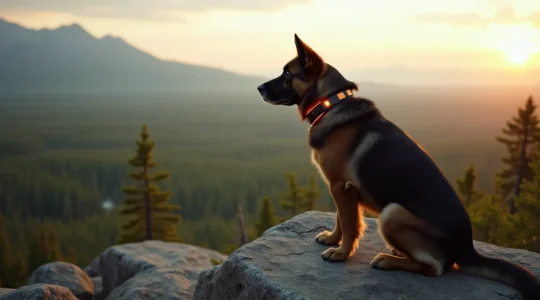
GPS Collar vs. Bluetooth Tag: Which Works in Canadian Wilderness?
For true Canadian wilderness, radio-frequency (RF) trackers are the only reliable choice; cellular GPS and Bluetooth tags create a dangerous illusion of safety. Cellular GPS fails in the vast majority of Canada’s landmass due to non-existent cell service, a critical…
Read more
Kong vs. Nina Ottosson Puzzles: Which Provides Longer Entertainment?
For hyper-intelligent dogs, puzzle toy value isn’t just duration, but the system’s ability to resist “failure modes” like frustration-flipping, destructive chewing, and rapid swallowing. Kong’s natural rubber offers superior material integrity for power chewers, representing a lower risk of catastrophic…
Read more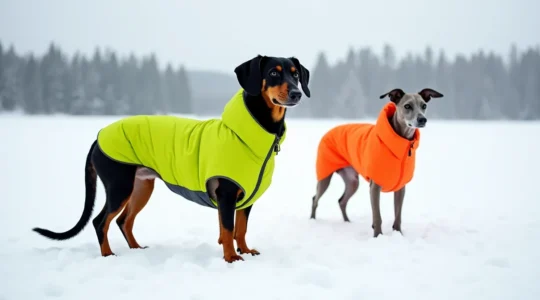
How to Find a Winter Coat That Actually Fits a Dachshund or Greyhound?
Fitting a winter coat on a Dachshund or Greyhound isn’t about finding a bigger size; it’s about finding a different shape that respects their unique biomechanics. Standard coats fail by ignoring the unique topline curve and deep chest, causing slippage,…
Read more
Paw Wax vs. Rubber Boots: Which Is Best for Salty Toronto Sidewalks?
For Toronto dog owners tired of fishing lost boots from grimy snowbanks, paw wax isn’t just an alternative—it’s a superior system, but only if you use it correctly. Barrier wax (like Musher’s Secret) is for *before* the walk to block…
Read more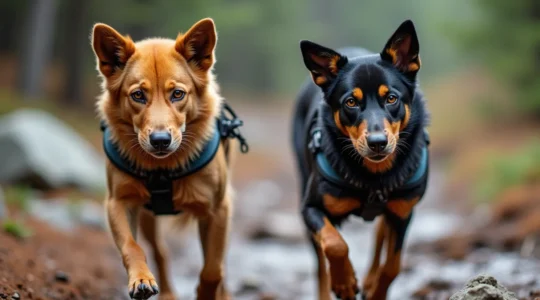
Y-Front vs. Norway Harness: Which Prevents Chafing on 10km Hikes?
The root cause of harness chafing and gait issues isn’t just a poor fit, but a restrictive design that fundamentally alters your dog’s natural movement and kinetic chain. Y-front harnesses are designed to sit on the breastbone, allowing for full,…
Read more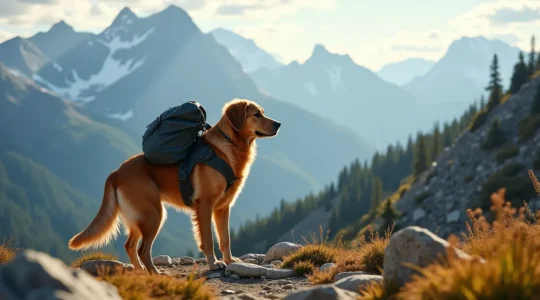
What Are the "10 Essentials" for Canine Hiking in the Canadian Rockies?
True safety for your dog in the Canadian Rockies goes far beyond a generic gear list; it’s about mastering risk management for this unique environment. Ecological Threats: Proactively manage risks like Giardia from streams and ticks using Canadian surveillance data….
Read more
How to Stop Your Husky from Jumping the Fence When the Snow Banks are 4 Feet High?
Your Husky isn’t just jumping the fence; it’s exploiting a compromised security system where the Canadian winter is its primary tool. Snow accumulation effectively lowers your fence height, creating an escape ramp. The freeze-thaw cycle (frost heave) warps posts and…
Read more
Which Perennials Are Safe for Dogs and Survive Zone 4 Winters?
The key to a successful dog-friendly garden in Canada’s Zone 4 is not just selecting non-toxic plants, but engineering a complete, resilient garden ecosystem. Prioritize hardy, native Canadian plants that are naturally adapted to both our climate and pet activity….
Read more
How to Tick-Proof Your Canadian Backyard: A Pet-Safe Landscaping Guide
In summary: Create a “tick-safe zone” using dry materials like gravel or cedar mulch to form a perimeter barrier around your lawn. Disrupt the tick lifecycle by removing leaf litter in the fall and considering beneficial nematodes for your soil…
Read more