Adoption & Rescue
Every year, thousands of animals across Canada wait in shelters and foster homes for their second chance at a loving family. The journey to adoption is far more nuanced than simply walking into a facility and choosing a pet. It’s a carefully structured process designed to ensure lasting matches between animals and their new families, reducing the heartbreak of returns and fostering successful, lifelong bonds.
Understanding the adoption and rescue landscape helps prospective pet parents navigate what can initially seem like an intimidating process. From confronting unconscious biases that affect which animals get adopted, to preparing for home visits and navigating detailed applications, each step serves a vital purpose in animal welfare. This comprehensive look at adoption and rescue will equip you with the knowledge to approach the process with confidence and realistic expectations.
Overcoming Common Adoption Biases
Despite the urgent need for adoptive homes, certain animals consistently face longer shelter stays due to factors that have nothing to do with their temperament or potential as companions. These biases, often unconscious, significantly impact adoption rates and animal welfare outcomes across Canadian shelters.
The Black Dog Syndrome and Appearance Bias
Black Dog Syndrome refers to the well-documented phenomenon where dark-colored dogs (and cats) are adopted more slowly than their lighter-colored counterparts. Shelter workers across Canada report that black animals often wait weeks or months longer for homes, despite having personalities and health profiles identical to other animals.
Several factors contribute to this bias. Dark fur photographs poorly under standard shelter lighting, making these animals appear less distinct in online listings. Cultural superstitions, though less prevalent in modern Canada, still influence some potential adopters. Additionally, facial expressions and eyes are harder to distinguish on dark-furred animals, making emotional connections more challenging to form at first glance. Understanding this bias helps adopters look beyond superficial appearances to discover wonderful companions they might otherwise overlook.
Challenging Breed Stereotypes
Breed-specific stereotypes create significant barriers for certain dogs in the rescue system. Pit bull-type dogs, German Shepherds, Rottweilers, and other breeds often labeled as “aggressive” face adoption challenges rooted more in perception than reality. Recent research consistently shows that behavior is determined primarily by individual temperament, socialization, and training rather than breed alone.
In Canada, breed-specific legislation varies by province and municipality, with some jurisdictions like Ontario having restrictions that complicate adoption for certain breeds. Progressive shelters now focus on individual behavioral assessments rather than breed labels, evaluating each animal’s actual temperament through structured testing. This approach has proven more effective in predicting successful adoptions than breed identification alone.
Age Considerations: Puppies, Adults, and Seniors
The preference for puppies and kittens is perhaps the most pervasive adoption bias. While baby animals undeniably appeal to our nurturing instincts, this preference means adult and senior animals face dramatically extended shelter stays. The reality is that different life stages offer distinct advantages.
Adult animals (ages 1-7) typically come with established personalities, making it easier to assess compatibility with your lifestyle. They often have basic training, are past destructive puppy phases, and settle into new homes more quickly. Senior animals (7+ years) offer calm companionship, require less intensive exercise, and bond deeply with adopters who give them a comfortable retirement. Many Canadian rescues report that adopters of senior pets express profound gratitude for the experience, describing these animals as their most rewarding companions.
How Shelters Help Animals Find Homes
Canadian rescue organizations have evolved sophisticated approaches to showcasing animals in their care. The presentation of each animal—through photographs and written descriptions—directly impacts how quickly they find homes and which potential adopters reach out.
Why Quality Photography Matters
Studies examining online adoption listings reveal a stark truth: photograph quality is the single strongest predictor of whether someone will click on an animal’s profile. In an era where most adopters begin their search online through platforms like Petfinder or individual shelter websites, that first visual impression determines whether an animal gets considered at all.
Professional or well-composed amateur photographs show animals in natural settings, capture their personalities through action shots, and use proper lighting to highlight their features. A playful dog photographed mid-run in a park generates exponentially more interest than the same dog sitting anxiously in a kennel. Many Canadian shelters now recruit volunteer photographers or partner with professional photographers who donate their time, recognizing this investment directly translates to faster adoptions.
Crafting Compelling Animal Bios
The written biography accompanying each animal’s listing serves a dual purpose: attracting attention while accurately representing the animal’s needs and personality. Effective bios balance emotional appeal with practical honesty, helping potential adopters envision daily life with that specific animal.
Rather than generic descriptions, compelling bios include specific details: “Max sits politely for treats and has mastered ‘shake a paw'” creates a clearer picture than “Max knows commands.” Mentioning that a cat “supervises all cooking activities from the counter” tells adopters more about personality than simply stating “friendly.” The best bios also address potential challenges transparently—noting that a dog needs a home without cats or that a rabbit requires experienced handlers—which ultimately leads to better matches and fewer returns.
The Adoption Application Process Explained
First-time adopters often express surprise at the thoroughness of adoption applications. The detailed questions about your home, lifestyle, pet history, and future plans aren’t meant to intimidate; they’re carefully designed to ensure successful, permanent placements.
Understanding Application Scrutiny
Canadian rescue organizations ask extensive questions because they’ve witnessed the consequences of poorly matched adoptions. Animals returned to shelters experience significant stress and may develop behavioral issues that make subsequent adoptions more difficult. The return rate at well-managed rescues with thorough screening processes is dramatically lower than at facilities with minimal vetting.
Applications typically inquire about your housing situation, family composition, activity level, experience with pets, veterinary plans, and what you’ll do with the animal during vacations or if you move. These questions help match animals to appropriate homes. For instance, a high-energy young dog would struggle with a sedentary senior, while a noise-sensitive cat wouldn’t thrive in a home with young children. Think of this process like a specialized dating service—both parties need compatible lifestyles for the relationship to flourish.
Why Honesty Is Non-Negotiable
The temptation to embellish qualifications or omit relevant information on adoption applications can be strong when you’ve fallen in love with a particular animal. However, dishonesty on applications creates serious problems that extend far beyond just being caught in a lie.
Misrepresenting your living situation (claiming to own a home when you rent, stating you have landlord permission when you don’t) can result in having to return the animal when the deception is discovered. Failing to disclose previous pet surrenders prevents rescues from understanding what went wrong and whether those circumstances have changed. Most importantly, dishonesty may result in you being matched with an animal whose needs don’t align with your reality, setting both you and the animal up for failure. Reputable rescues maintain databases and may share information about problematic applications, potentially affecting your ability to adopt elsewhere.
Timeline Expectations
The adoption process timeline varies considerably depending on the organization, the specific animal, and how quickly you complete required steps. Some straightforward adoptions in Canada are finalized within a few days, while others—particularly for animals with special needs or when multiple applications are received—may take several weeks.
Typical steps include: application submission, reference checks (including veterinary references if you’ve had previous pets), phone or video interviews, meet-and-greets, home visits, and finally, the adoption finalization. Patience during this process demonstrates the commitment that rescues want to see in adopters. Remember that shelter staff and volunteers are usually managing this process alongside caring for many animals, often with limited resources.
Home Requirements and Evaluations
Many prospective adopters feel anxious about home requirements and visits, sometimes perceiving them as invasive or unnecessarily restrictive. Understanding the reasoning behind these requirements transforms them from obstacles into logical safety measures.
The Purpose of Fence Requirements
Fence requirements for dog adoptions are among the most common sources of application denials and frustration. However, these requirements exist because unfenced yards pose legitimate safety risks that have led to countless lost, injured, or deceased dogs over the years.
Even well-trained dogs can bolt after squirrels, cats, or other triggers. In Canadian winters, scent trails disappear quickly under snow, making lost dogs harder to track. Urban areas present traffic dangers, while rural properties may have wildlife hazards. That said, fence requirements aren’t universal or inflexible. Many rescues accept alternatives like demonstrated commitment to leashed outdoor time, access to enclosed dog parks, or detailed exercise plans. Some breeds with lower prey drives and proven recall may not require fencing. The key is communicating openly with the rescue about your specific situation rather than assuming fence requirements are non-negotiable dealbreakers.
Preparing for Your Home Visit
Home visits serve multiple purposes: verifying information provided in applications, ensuring the environment is safe for the specific animal, and offering personalized advice for a successful transition. Contrary to popular belief, rescues aren’t looking for spotless show homes; they’re assessing safety and suitability.
Preparation involves checking for obvious hazards like accessible toxic substances, unsecured pools, or escape routes. For cat adoptions, ensure screens are secure and identify where the litter box will be placed. For dogs, check fence integrity if applicable and remove any toxic plants from accessible areas. Most importantly, have all family members present so the rescue representative can observe interactions and address everyone’s questions. Home visitors often provide valuable tips about pet-proofing and can identify potential issues you might not have considered.
The Meet-and-Greet: Making the Right Connection
The meet-and-greet represents a crucial step in the adoption process where potential adopters interact with their prospective pet in a controlled environment. Optimizing these meetings increases the likelihood of identifying genuine compatibility rather than making decisions based solely on initial cuteness.
Effective meet-and-greets happen in quiet, neutral spaces rather than chaotic shelter environments where animals may not display their true personalities. Bring all household members, including existing pets if the rescue allows it. Spend time engaging in various activities: play, quiet sitting, walking (for dogs), or simply observing how the animal responds to different stimuli.
Pay attention to body language and energy levels. Does the dog constantly pull on leash or walk cooperatively? Does the cat seek attention or prefer observing from a distance? How does the animal react to sudden noises or movements? Multiple meet-and-greets are ideal, as animals may behave differently on different days. Trust the shelter staff’s insights—they’ve observed this animal in various situations and can predict how behaviors might manifest in a home environment. The goal isn’t finding the perfect animal, but rather finding the right match for your specific household.
Rescue Organizations vs Breeders: An Ethical Perspective
The decision between adopting from a rescue organization or purchasing from a breeder involves more than personal preference; it carries significant ethical implications that every prospective pet owner should carefully consider.
Canada faces ongoing challenges with pet overpopulation, particularly in certain regions and communities. Northern and remote areas struggle with large populations of unsterilized dogs, leading to regular transports of animals to southern shelters with higher adoption rates. Every animal adopted from a rescue literally saves a life by freeing up space for another animal in need.
Responsible breeders certainly serve a purpose for individuals requiring specific traits for working roles, service animal training, or well-researched breed characteristics. However, the distinction between reputable breeders and unethical operations (puppy mills, backyard breeders) is crucial. Ethical breeders health-test their breeding stock, raise puppies in home environments, provide lifetime support, and take back any animal they’ve bred if the owner can no longer keep it. They breed selectively to improve the breed, not for profit.
The reality is that rescue organizations house purebred animals alongside mixed breeds, often including puppies and kittens. Breed-specific rescues exist across Canada for virtually every recognized breed. The notion that rescues only have “damaged” or “problem” animals is a harmful myth; most are there due to human circumstances (moving, allergies, financial hardship) rather than behavioral issues. By choosing adoption, you’re actively opposing unethical breeding operations while gaining a companion whose gratitude and loyalty often seem to reflect their second chance.
The adoption and rescue process, though sometimes lengthy and detailed, exists to create lasting bonds between animals and their families. By understanding common biases, preparing thoroughly for applications and home visits, approaching meet-and-greets thoughtfully, and making informed ethical choices about animal sourcing, you position yourself for a successful adoption experience. The journey requires patience and self-reflection, but the reward—a devoted companion and the knowledge that you’ve saved a life—makes every step worthwhile.

Why Was Your Adoption Application Denied Despite Being a Good Owner?
Your adoption application wasn’t rejected because you’re a bad person; it was flagged as a high-risk investment by a system designed to prevent a dog’s return. Rescue “rules” are not personal judgments, but risk mitigation strategies based on years of…
Read more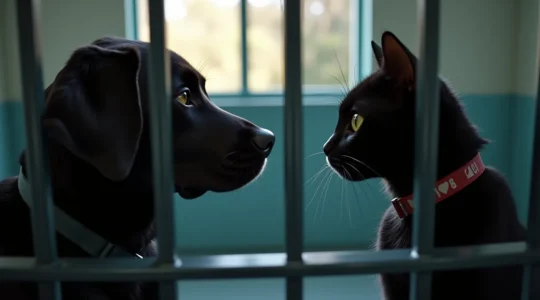
Why Are Black Dogs and Cats Last to Be Adopted in Canadian Shelters?
Contrary to popular belief, superstition isn’t the main reason black pets linger in Canadian shelters; the real culprits are subtle, systemic disadvantages within the shelter system itself. Poor kennel lighting and low-quality photos make it difficult for adopters to see…
Read more