Contrary to popular belief, the greatest toxic threats to your pet’s liver aren’t just the leaves of a plant, but the unseen chemicals in everyday products like essential oils and garden mulch.
- Cats have a specific genetic enzyme deficiency that makes them uniquely vulnerable to compounds found in popular essential oils like tea tree and peppermint.
- Immediate action within the first two hours of ingestion is critical; waiting for symptoms to appear often means the toxin is already absorbed and causing irreversible damage.
Recommendation: Immediately program your phone with the numbers for the ASPCA Animal Poison Control Center and a 24/7 local Canadian emergency vet. Knowing who to call is the most critical first step.
For many new plant parents in urban Canadian apartments, creating a green oasis is a source of joy. But for those who also have cats or dogs, that joy is often tinged with worry. The internet is filled with lists of “toxic plants,” leading to a constant state of vigilance around that new fiddle-leaf fig. While avoiding known poisonous plants like lilies and sago palms is a crucial first step, this focus on foliage often misses a more insidious threat.
The most common advice—”keep plants out of reach” or “watch for vomiting”—is a platitude that fails to address the biochemical realities of pet toxicology. The true danger often lies not in a chewed leaf but in the concentrated, seemingly harmless products we use in our homes and gardens. These substances can trigger a cascade of events leading to acute liver failure, a condition that is often silent until it’s too late.
But what if the key to pet safety wasn’t just about avoiding certain species, but about understanding why certain substances are toxic? This guide moves beyond simple lists to explore the mechanisms of hepatotoxicity (liver damage) in pets. We will delve into the science behind why a cat cannot metabolize the same things a human can, the critical time window for intervention, and the practical steps every Canadian pet owner must know to distinguish between a minor incident and a life-threatening emergency.
This article provides a toxicologist’s perspective on identifying and neutralizing these hidden dangers. By understanding the core principles of pet toxicology, you can create a home environment that is not only beautiful but also biochemically safe for your four-legged family members.
Summary: A Toxicologist’s Guide to Pet-Proofing Your Canadian Home
- Why Do Essential Oil Diffusers Cause Liver Failure in Some Cats?
- How to Induce Vomiting safely (and When NEVER to Do It)?
- Milk Thistle and SAMe: Do These Supplements Actually Repair Liver Damage?
- The 12-Hour Window: Why Waiting to See if They ‘Throw It Up’ is Dangerous
- How to Cook a Liver-Friendly Diet When Your Pet Refuses Prescription Food?
- Cocoa Bean vs. Pine Bark: Which Mulch is Toxic to Dogs?
- Why Is Human Survival Food Dangerous for Your Dog in an Emergency?
- How to Induce Vomiting safely (and When NEVER to Do It)?
Why Do Essential Oil Diffusers Cause Liver Failure in Some Cats?
The wellness trend of diffusing essential oils has inadvertently introduced a significant hepatotoxic risk into many homes, particularly for cats. The pleasant aroma of tea tree, peppermint, or citrus oils masks their potent chemical nature. The core of the problem lies in a specific metabolic limitation in felines. Unlike humans or even dogs, cats are genetically deficient in the essential enzyme glucuronyl transferase, which is crucial for metabolizing and safely excreting phenolic compounds—a primary component of many essential oils.
When a cat inhales these micro-droplets from a diffuser or grooms them off its fur, these unmetabolized compounds build up in their system. The liver, which is the body’s primary filtration organ, becomes overwhelmed and cannot process the toxic load. This leads to acute liver damage, with clinical signs ranging from drooling and lethargy to wobbliness and, in severe cases, complete liver failure. It’s not an allergic reaction; it’s a poisoning event at a cellular level.
The American Society for the Prevention of Cruelty to Animals (ASPCA) confirms the danger, especially with highly concentrated products. In a report for Hill’s Pet Nutrition, the organization stated:
In their concentrated form (100%), essential oils can absolutely be a danger for pets.
– ASPCA, Hill’s Pet Nutrition report on essential oil safety
Therefore, pet owners must understand that a cat’s safety is not just about preventing ingestion. Passive exposure through diffusers poses a significant threat due to their unique metabolic pathway. Any home with cats should avoid the use of active diffusers and be extremely cautious with cleaning products or topical applications containing these oils.
How to Induce Vomiting safely (and When NEVER to Do It)?
When you witness your dog ingest a potential toxin, the instinct to induce vomiting (a process known as decontamination) is understandable. If performed correctly and in the right circumstances, it can prevent the absorption of harmful substances. For dogs, the only recommended method at home is using 3% hydrogen peroxide. According to veterinary guidelines, the correct dose is critical: you should administer 1 teaspoon (5ml) per 5 pounds of body weight, not exceeding 3 tablespoons (45ml) in total, regardless of the dog’s size. Always consult a veterinarian or poison control before administering.
This procedure, however, is not a universal solution and can be extremely dangerous if misapplied. Knowing when not to induce vomiting is even more important than knowing how. Certain substances can cause more damage coming back up, and certain pets are not candidates for this procedure.
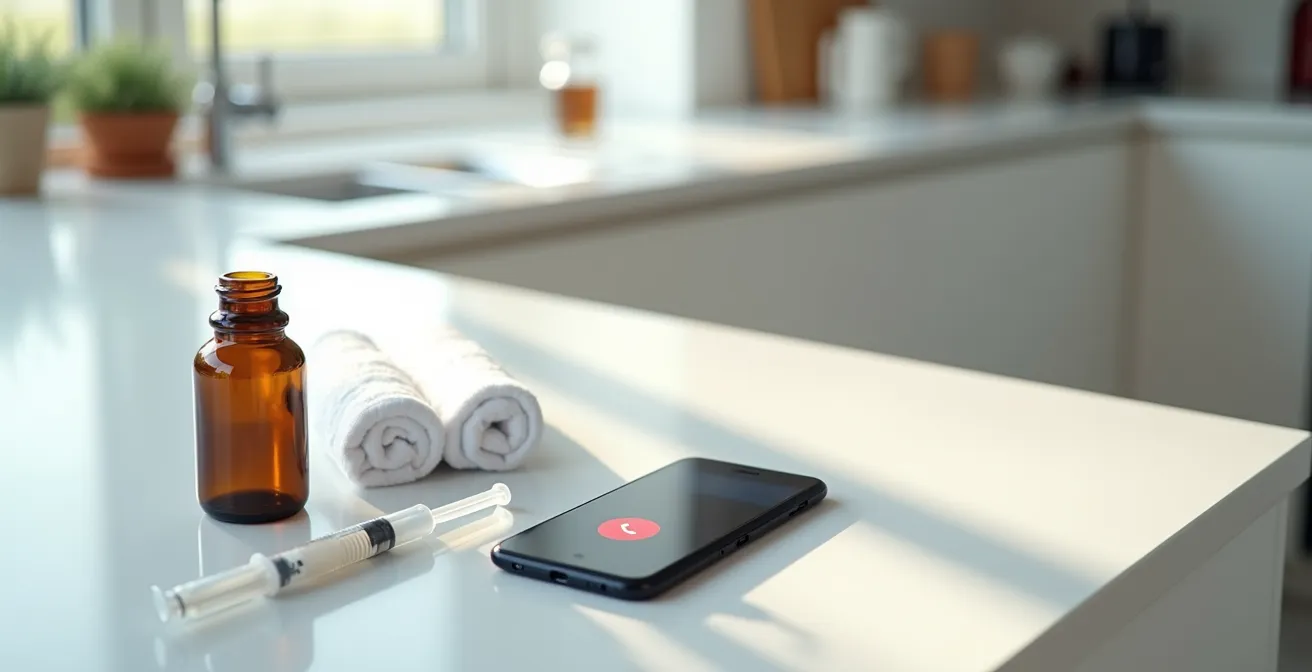
The following situations represent absolute contraindications for inducing vomiting. Acting in these scenarios can lead to catastrophic injury or death, and require immediate veterinary intervention instead.
- Never induce vomiting for caustic substances like bleach, oven cleaners, or drain cleaners, as they will burn the esophagus a second time.
- Never for petroleum-based products such as gasoline, motor oil, or lighter fluid, due to high risk of aspiration pneumonia.
- Never in brachycephalic (flat-faced) breeds like Bulldogs, Pugs, or French Bulldogs, due to an increased risk of choking and aspiration.
- Never if more than 2 hours have passed since ingestion, as the toxin is likely already out of the stomach.
- Never in cats; hydrogen peroxide is highly irritating to their gastric lining and can cause fatal hemorrhagic gastritis.
Milk Thistle and SAMe: Do These Supplements Actually Repair Liver Damage?
In the aftermath of a liver toxicity scare, many pet owners search for ways to help their pet recover. Supplements like milk thistle (whose active ingredient is silybin) and S-Adenosylmethionine (SAMe) are frequently marketed as natural liver “healers” or “detoxifiers.” While these supplements can play a role in recovery, it is crucial to understand their function not as a cure, but as supportive care. They do not repair damaged liver cells in the way a stitch closes a wound.
Instead, their primary benefit appears to be antioxidant support. The liver, when processing toxins, generates a high number of free radicals, which cause secondary damage to liver cells. Silybin and SAMe may help neutralize these free radicals, protecting the remaining healthy cells and creating a better environment for the liver to attempt its own natural, albeit limited, regeneration. However, the scientific proof in pets is not robust. As VCA Animal Hospitals notes:
Limited studies have been performed in animals, but there is anecdotal evidence that SAMe and Silybin work to treat liver disease.
– VCA Animal Hospitals, VCA Hospitals veterinary information on SAMe + Silybin
This distinction between a proven medicine and a supportive supplement is vital. These products are not regulated like pharmaceuticals, and their efficacy can vary wildly. Relying on them as a primary treatment instead of pursuing veterinary-prescribed therapies is a dangerous misconception.
| Aspect | Marketing Claims | Scientific Reality |
|---|---|---|
| Mechanism | Repairs damaged liver cells | May provide antioxidant support |
| Evidence Level | Proven cure | Anecdotal evidence, limited studies |
| Regulatory Status | Medicine | Dietary supplement (not FDA regulated) |
| Clinical Use | Primary treatment | Supportive care only |
The 12-Hour Window: Why Waiting to See if They ‘Throw It Up’ is Dangerous
One of the most dangerous instincts a pet owner can have after a potential poisoning is to “wait and see.” Many people hope the pet will simply vomit the substance on its own, resolving the issue. This waiting game is a gamble against a ticking clock, specifically the timeline of toxin absorption. The opportunity for effective at-home or veterinary decontamination is incredibly short. The stomach is not a holding tank; it is an active organ designed to process and pass its contents into the intestinal tract, where the majority of absorption occurs.
This creates a critical time-critical window for intervention. According to veterinary emergency experts, once a toxin leaves the stomach and enters the small intestine, inducing vomiting is largely useless. The poison is already entering the bloodstream, on its way to target organs like the liver. In fact, veterinary emergency experts confirm that after 2 hours, toxins move from stomach to intestines, making vomiting ineffective. By the time clinical signs like lethargy or jaundice appear, often 12 hours or more after ingestion, the damage is already well underway.

Waiting is not a passive act; it is an active decision to let the window for simple decontamination close. This transitions the situation from a preventable poisoning to a complex and expensive medical emergency requiring hospitalization, IV fluids, and intensive supportive care. The initial 12 hours are not a grace period; they are the entire battlefield. Immediate consultation with a poison control hotline or an emergency veterinarian is the only responsible course of action, as it prioritizes intervention over observation.
How to Cook a Liver-Friendly Diet When Your Pet Refuses Prescription Food?
When a pet is diagnosed with compromised liver function, veterinarians often prescribe a specialized therapeutic diet. These foods are carefully formulated with controlled levels of high-quality protein, restricted copper, and supplemented nutrients to reduce the metabolic burden on the liver. However, some pets, particularly when feeling unwell, may refuse to eat these prescription diets. This can lead well-intentioned owners to consider cooking a homemade diet.
While a home-cooked diet can be an option, it is a path fraught with nutritional peril if undertaken without expert guidance. “Liver-friendly” is not a simple recipe; it’s a precise medical formula tailored to your pet’s specific condition, as revealed by their blood work. Attempting to create this diet based on online recipes is incredibly risky and can worsen the liver condition or create new deficiencies. A successful homemade diet is not a culinary art but a clinical science.
Before ever starting a home-cooked regimen for a pet with liver disease, a strict, non-negotiable protocol must be followed. The goal is to replicate the therapeutic benefits of a prescription diet, not just to create a palatable meal. As VCA Animal Hospitals cautions, professional advice is paramount: “Follow your veterinarian’s directions and cautions very carefully, as they may be significantly different from those on the label.”
Your Action Plan: Cooking a Veterinary-Approved Liver Support Diet
- Consult a Board-Certified Veterinary Nutritionist: This is the mandatory first step. Your primary vet can provide a referral. They are the only professionals qualified to formulate a complete and balanced diet for a medical condition.
- Get Complete Blood Work: The nutritionist will need detailed blood panels to understand the exact nature of your pet’s liver dysfunction and identify specific nutritional needs and restrictions.
- Obtain a Precise Recipe: You will receive a recipe with exact gram-level measurements for specific ingredients. There is no room for substitution or estimation.
- Source Pharmaceutical-Grade Supplements: The recipe will include specific vitamins and minerals to add. These must be sourced as specified to ensure purity and correct dosage.
- Schedule Regular Blood Monitoring: The pet’s liver values and overall health must be monitored regularly via blood tests to ensure the diet is effective and not causing other imbalances.
Cocoa Bean vs. Pine Bark: Which Mulch is Toxic to Dogs?
For Canadian pet owners with balconies, yards, or even indoor potted plants, the choice of mulch can have life-or-death consequences. While aesthetically pleasing and fragrant, cocoa bean mulch is extremely toxic to dogs. Its danger lies in the same compounds that make chocolate poisonous: theobromine and caffeine. Dogs metabolize these substances very slowly, allowing them to build up to toxic levels that can cause severe gastrointestinal distress, muscle tremors, seizures, and cardiac failure.
The concentration of these toxins in mulch can be surprisingly high. Depending on the brand and origin, toxicology studies show that cocoa mulch contains 0.19-2.98% theobromine by weight, a significant amount for a curious dog who might ingest a few mouthfuls. The sweet smell of the mulch makes it particularly attractive to some dogs, increasing the risk of ingestion.
In contrast, mulches like pine bark or cedar chips are generally considered safer alternatives. Their primary risks are physical—such as splinters or potential for mold growth if kept too wet—rather than chemical. When choosing a mulch, it’s essential to look beyond the appearance and consider the material’s toxic potential. The table below outlines the risks associated with common mulch types found in Canada.
| Mulch Type | Toxicity Level | Primary Risk | Safe Alternative |
|---|---|---|---|
| Cocoa Bean | Highly Toxic | Theobromine poisoning | Cedar chips (untreated) |
| Colored/Dyed | Moderate Risk | Chemical dyes, possible CCA | Natural bark |
| Pine Bark | Low Risk | Splinters, mold growth | Rubber mulch |
| Recycled Wood | Variable Risk | Unknown contaminants | River rock |
Choosing a non-toxic alternative like untreated cedar or pine is a simple preventative measure that eliminates a significant household hazard. Always read the product bag carefully to ensure it contains no added chemicals or cocoa products.
Why Is Human Survival Food Dangerous for Your Dog in an Emergency?
In Canada, where preparedness for natural disasters like floods, wildfires, or severe winter storms is a reality, having an emergency kit is a wise precaution. However, a critical mistake many pet owners make is assuming their pet can share the family’s emergency food rations. Human survival foods, such as protein bars, MREs (Meals, Ready-to-Eat), and other non-perishables, are often packed with ingredients that are harmless to people but severely toxic to dogs.
One of the most significant hidden dangers is the artificial sweetener xylitol. This sugar alcohol is widely used in “sugar-free” products to improve taste without adding calories. While perfectly safe for humans, it is profoundly dangerous for dogs.
Case Study: Xylitol Poisoning Risk in Sugar-Free Emergency Rations
Dogs are uniquely sensitive to Xylitol or other sugar alcohols (often ending in “-tol”) used as artificial sweeteners “hidden” in many “sugar-free” products, including protein bars and vitamins. Even a small amount of xylitol triggers a massive insulin release in dogs, causing life-threatening hypoglycemia (low blood sugar) within minutes. This can be followed by delayed, and potentially irreversible, acute liver failure. An emergency is the worst time to discover this sensitivity.
Beyond xylitol, human emergency foods are often high in sodium, fats, and seasonings like onion or garlic powder, all of which can cause severe gastrointestinal upset or toxicity in pets. A pet’s emergency kit must be separate and species-specific. It is a vital piece of equipment, not an afterthought.
- 7-day supply of your pet’s regular food in a waterproof container
- 14-day supply of any prescription medications
- 3% hydrogen peroxide and a dosing syringe for emergency decontamination (for dogs only, upon veterinary instruction)
- Contact information for your provincial poison control and local 24/7 emergency veterinarians
- Copies of vaccination records and microchip information
- Pet-specific first aid supplies, kept separate from the human kit
Key Takeaways
- Metabolic Differences are Key: Cats lack a specific liver enzyme, making them highly susceptible to toxins in essential oils that are harmless to humans.
- The 2-Hour Rule is Absolute: The window to effectively induce vomiting and decontaminate a pet closes within two hours of ingestion. Waiting is not a safe strategy.
- Supplements are ‘Support’, Not a ‘Cure’: Products like milk thistle provide antioxidant support but do not repair existing liver damage. They are an addition to, not a replacement for, veterinary care.
How to Induce Vomiting safely (and When NEVER to Do It)?
While the previous section detailed the method for inducing vomiting in dogs, this final point serves as a critical summary of the absolute contraindications. The decision to make a pet vomit is a medical one that should, ideally, only be made with guidance from a veterinarian or poison control expert. Acting incorrectly can inflict more harm than the ingested toxin. Your primary role as a pet owner is not to be a medic, but to be a responsible first responder whose first action is to seek professional advice.
The most important piece of knowledge is the list of “nevers.” This is especially true for all cat owners. To be clear: there is no safe at-home method to induce vomiting in a cat. The use of hydrogen peroxide, while acceptable for some dogs, can cause severe, potentially fatal, internal bleeding in felines. Any suspected ingestion in a cat is an automatic, immediate trip to the veterinarian.
For all pets, the ingestion of caustic or petroleum products represents another absolute “never.” The chemical burns or lung damage caused by vomiting these substances is often more devastating than the initial ingestion. In these cases, the veterinary team will use different methods of decontamination that don’t involve emesis (vomiting). Recognizing these scenarios and rushing your pet to the vet is the correct and only safe action.
Your emergency plan should not be a bottle of hydrogen peroxide. It should be the phone number for the ASPCA Poison Control Center and your nearest 24/7 emergency vet clinic programmed into your phone. They can tell you if inducing vomiting is appropriate, and if so, guide you through the exact dosage and procedure for your specific dog’s weight and the substance ingested.
Your first line of defense is knowledge and preparation. Assemble a pet-specific first-aid kit, post emergency numbers on your fridge, and always err on the side of caution by calling a professional. Acting swiftly and correctly in the first few minutes is the best way to protect your pet from the silent dangers in your home.