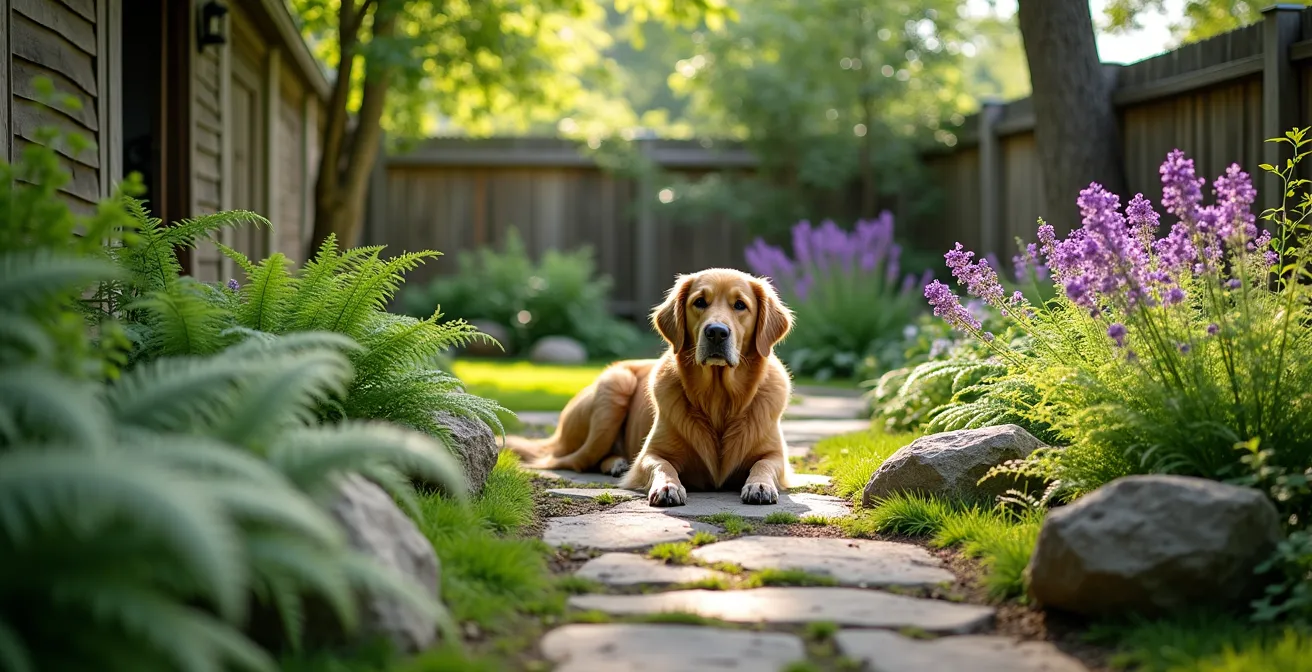
The key to a successful dog-friendly garden in Canada’s Zone 4 is not just selecting non-toxic plants, but engineering a complete, resilient garden ecosystem.
- Prioritize hardy, native Canadian plants that are naturally adapted to both our climate and pet activity.
- Design functional zones, like dedicated potty areas with proper drainage, to manage dog behaviour proactively.
- Understand the science behind common toxins in mulch, bulbs, and even household products to eliminate risks entirely.
Recommendation: Shift your focus from a purely aesthetic garden to a functional landscape designed for cohabitation, where every choice enhances both beauty and your pet’s safety.
For Canadian gardeners in cold climates like Ottawa or Montreal, creating a lush perennial garden is a labour of love. But when you add a dog to the mix, that love can quickly turn to worry. Will they eat the hostas? Will they dig up those expensive new bulbs? Is the mulch you just spread toxic? The challenge is twofold: finding plants that are not only safe for our four-legged family members but also tough enough to withstand a Zone 4 winter and the daily wear-and-tear from a playful pet.
Many well-intentioned guides offer simple lists of “dog-safe” plants, but this often falls short. A plant being non-toxic is only the first step. True success lies in a more holistic approach. It requires understanding the specific risks our climate and pet behaviours present, from the danger of a dog digging up toxic tulip bulbs in the spring thaw to the lawn burn caused by urine. It’s about more than just avoiding poisonous plants; it’s about building a robust, functional landscape.
But what if the solution wasn’t just about what to avoid, but what to actively embrace? What if the key to a thriving, pet-safe garden was to design a complete ecosystem that works with your dog’s behaviour and our northern climate? This guide moves beyond simple plant lists. We’ll explore the science behind plant-animal interactions to help you design a garden that is not only beautiful and safe but truly resilient.
We will delve into why native species are superior, how to construct a purpose-built potty area that saves your lawn, the critical differences in mulch safety, and the seasonal dangers to watch for. This is your blueprint for creating a garden where both your perennials and your pet can flourish, year after year.
Table of Contents: A Guide to Pet-Safe Landscaping in Zone 4
- Why Are Native Canadian Ferns Better for Dog Runs Than Exotic Ornamentals?
- How to Design a “Potty Rock” Area That Saves Your Lawn from Burn?
- Cocoa Bean vs. Pine Bark: Which Mulch is Toxic to Dogs?
- The Tulip Bulb Danger: Why Digging Dogs Are at Risk in April
- When to Plant Ground Cover: Establishing Roots Before the Dog Digs
- Why Do Essential Oil Diffusers Cause Liver Failure in Some Cats?
- Why Does Cedar Mulch Create a Natural Barrier Against Ticks?
- Why Are Native Canadian Ferns Better for Dog Runs Than Exotic Ornamentals?
Why Are Native Canadian Ferns Better for Dog Runs Than Exotic Ornamentals?
When creating a planting plan for an area frequented by dogs, the first instinct is often to find something simply non-toxic. However, for a truly successful and low-stress Canadian garden, the focus should shift to native species, particularly ferns. Native ferns are not just safe; they are systemically superior for dog runs because they are evolutionarily programmed to thrive in our specific conditions, making them more resilient to the physical stress dogs introduce.
Case Study: The Durability of Ontario’s Native Ferns
Consider the Ostrich fern (Matteuccia struthiopteris), a species native across Canada, from the Northwest Territories to Newfoundland. These ferns are adapted to the moist woods and thickets common in our landscapes. A study of their natural habitat reveals that Ostrich ferns reach 70-120cm tall, creating a lush, dense barrier that can absorb the impact of a running dog. They’ve evolved in Canadian soil, making them inherently resistant to local pests and diseases without chemical intervention. Furthermore, where Ostrich fern grows, you’ll often find Lady fern (Athyrium filix-femina) alongside it. This natural pairing demonstrates a robust, co-habitative strength that imported ornamentals, bred for appearance over resilience, simply cannot match in a dog-heavy environment.
Exotic ornamentals, while beautiful, are often fragile. They may require specific soil amendments, more frequent watering, and protection from the very activities—digging, trampling, and roughhousing—that are normal for a dog. A broken stem on an exotic plant is a loss; a bent frond on a native Ostrich fern is a temporary setback for a plant that is built to recover. Choosing native ferns means you are opting for a plant that is genetically predisposed to succeed in your backyard with minimal fuss, freeing you from the constant worry of plant damage or pet safety.
How to Design a “Potty Rock” Area That Saves Your Lawn from Burn?
One of the biggest frustrations for dog-owning gardeners is the appearance of yellow, burnt patches on an otherwise perfect lawn. These spots, caused by the high nitrogen content in dog urine, can feel like a battle you can’t win. The most effective, long-term solution is not a supplement or a lawn treatment, but a strategic design choice: creating a dedicated “potty rock” area. This isn’t just a pile of stones; it’s an engineered system designed to handle liquid waste and withstand the harsh freeze-thaw cycles of a Zone 4 winter in Canada.
The key to a successful potty area is deep drainage. A simple layer of rocks on top of soil will quickly become a saturated, smelly mess. You must excavate deep enough to get below the typical frost line and build up layers that allow urine to pass through and drain away, preventing ice buildup and odours. The top layer of smooth, rounded river rock is comfortable for a dog’s paws and easy to rinse clean.
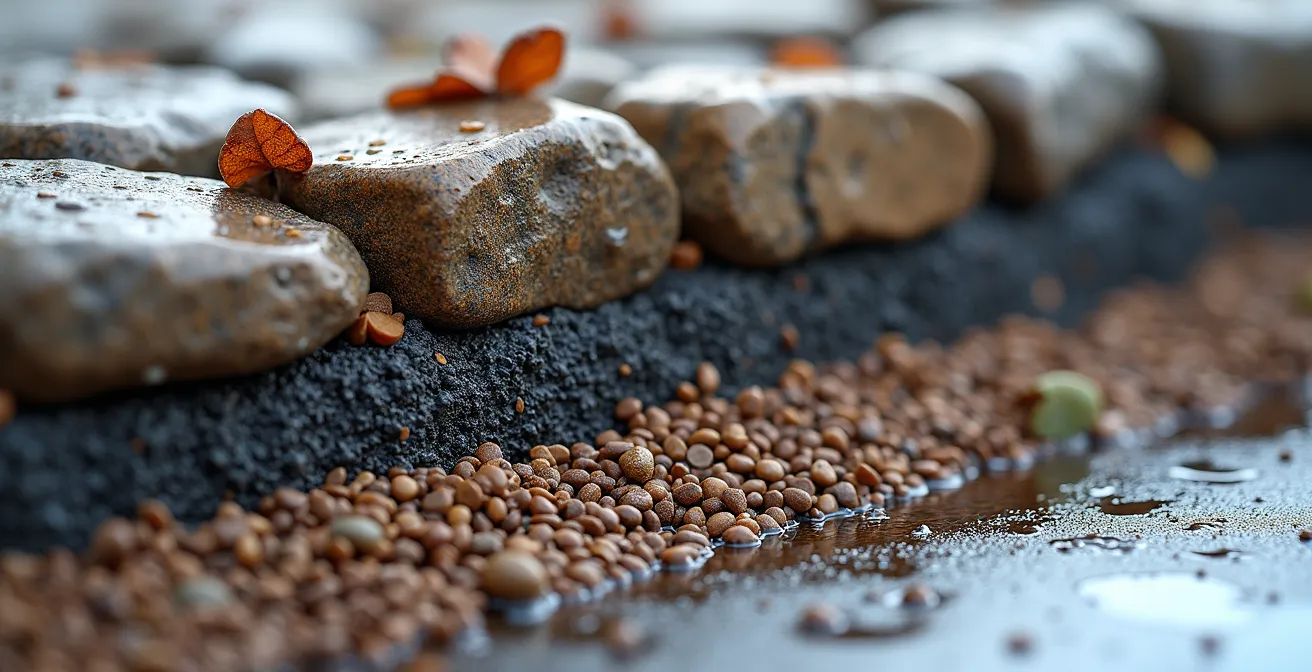
This cross-section illustrates the importance of layering for function. Each layer, from the coarse gravel at the base to the smooth river rock on top, plays a role in managing moisture and ensuring the longevity of the potty area through seasons of snowmelt and freezing. Training your dog to use this specific spot saves your lawn and contains waste in one easy-to-clean location, integrating their needs directly into your landscape design.
Your Action Plan: Building a Freeze-Proof Potty Area
- Excavate the designated area to 18-24 inches deep to get below the typical frost line in Zone 4.
- Install a 6-inch layer of coarse gravel (3/4 inch diameter) to create the primary drainage base.
- Add a 4-inch transitional layer of pea gravel on top of the coarse gravel.
- Place a layer of permeable landscape fabric to prevent soil from mixing in while still allowing water to drain.
- Top with a 6-8 inch layer of smooth, rounded river rock (2-3 inch diameter), ideally sourced from Canadian suppliers.
- Ensure the entire area has a slight slope (a 2% grade is sufficient) directing water away from house foundations.
Cocoa Bean vs. Pine Bark: Which Mulch is Toxic to Dogs?
Mulch is a gardener’s best friend for retaining moisture, suppressing weeds, and adding a finished look to garden beds. But for dog owners, the choice of mulch is a critical safety decision. Many are unaware that a popular, sweet-smelling option—cocoa bean mulch—is highly toxic to dogs. It contains theobromine, the same compound that makes chocolate dangerous for canines. A curious dog attracted by the scent can ingest a lethal dose with just a few mouthfuls.
The science is clear and alarming. According to veterinary toxicology data, cocoa mulch contains 255mg of theobromine per ounce, while the toxic dose for a dog can be as low as 100-200mg per kilogram of body weight. For a small dog, this means a very small amount can cause severe illness or death. Given this high risk, cocoa bean mulch has no place in a garden accessible to pets.
Fortunately, there are numerous safe, effective, and readily available alternatives in Canada. Mulches made from cedar, pine bark, or hemlock are non-toxic and offer excellent horticultural benefits. Pine bark provides a smooth texture with minimal splinter risk, while cedar has the added advantage of naturally repelling fleas and ticks. The following table breaks down the key differences to help you make an informed choice at your local garden centre.
| Mulch Type | Dog Safety | Canadian Availability | Price Range (per cubic yard) | Key Risks/Benefits |
|---|---|---|---|---|
| Cocoa Bean Mulch | HIGHLY TOXIC | Limited – specialty stores | $120-150 CAD | Contains theobromine (same toxin as chocolate) |
| Cedar Mulch (BC/Quebec) | SAFE | Widely available – Canadian Tire, RONA | $35-50 CAD | Natural flea/tick repellent, pleasant aroma |
| Pine Bark | SAFE | Common at all garden centers | $30-45 CAD | Smooth texture, minimal splinter risk |
| Hemlock Mulch | SAFE | Regional availability | $40-55 CAD | Long-lasting, attractive color |
The Tulip Bulb Danger: Why Digging Dogs Are at Risk in April
Toxins can be found in certain parts of some plants, and in all the parts of other plants. Depending on the toxin, symptoms can range from vomiting and diarrhea to tremors; some plants can even be fatal if ingested.
– Dr. Brian Collins, DVM, Cornell University’s Richard P. Riney Canine Health Center
As Dr. Collins points out, the danger isn’t always the visible flower or leaf. For digging dogs, one of the greatest seasonal risks comes from what lies beneath the soil: bulbs. Spring-flowering bulbs like tulips, daffodils, and hyacinths contain toxic compounds that are highly concentrated in the bulb itself. When a dog digs in a garden bed softened by the April thaw, they can easily unearth and chew on these bulbs, leading to severe gastrointestinal upset, drooling, and in some cases, more serious cardiac or respiratory issues.
The risk is not static; it changes with the seasons. A garden that is perfectly safe in July can present new dangers in early spring or fall. Understanding this toxic plant calendar is essential for proactive pet safety in a Zone 4 climate. You must be especially vigilant during periods of emergence in the spring and when certain late-blooming, highly toxic plants like Autumn Crocus appear. This awareness transforms you from a reactive owner to a preventive horticulturist.
Here is a simplified calendar of high-risk periods for a Canadian Zone 4 garden, helping you anticipate when your vigilance is most needed, especially if you have a dog that loves to dig.
- March-April: Crocus, early Tulips, and Daffodils emerge. All bulbs are toxic if dug up and ingested.
- May: Lily of the Valley blooms. The leaves, flowers, and stems are all highly toxic, containing cardiac glycosides.
- June-July: Foxglove and Azaleas are in full bloom, both containing compounds that can affect a dog’s heart.
- August: The Autumn Crocus can appear, which is extremely toxic due to its colchicine content and can cause severe multi-organ failure.
- September-October: Damp, cooling weather encourages mushroom growth. While many are harmless, some toxic varieties can be fatal.
When to Plant Ground Cover: Establishing Roots Before the Dog Digs
For high-traffic areas or spots where a digging dog makes lawn impossible, durable, dog-safe ground covers are an excellent solution. But success isn’t just about choosing the right plant; it’s about timing. Planting too late in the season means the roots won’t have time to establish before the first hard frost, leading to winter-kill. Planting during the peak of summer activity means the tender new plants will be trampled or dug up before they have a chance. The key is to plant in the late summer window, giving the plants enough time to develop a strong root system before winter, while summer’s high-energy dog activity begins to wane.
This planting window is specific to our northern climate. Based on historical first frost dates for major Canadian cities, the optimal time for planting ground covers in Zone 4 is generally late August to early September. For example, analysis shows the ideal window for establishing new plantings in Ottawa is August 25-September 15, while in Quebec City, it’s slightly earlier, from August 15-September 5. Planting within these specific windows gives your ground cover the best chance of survival.
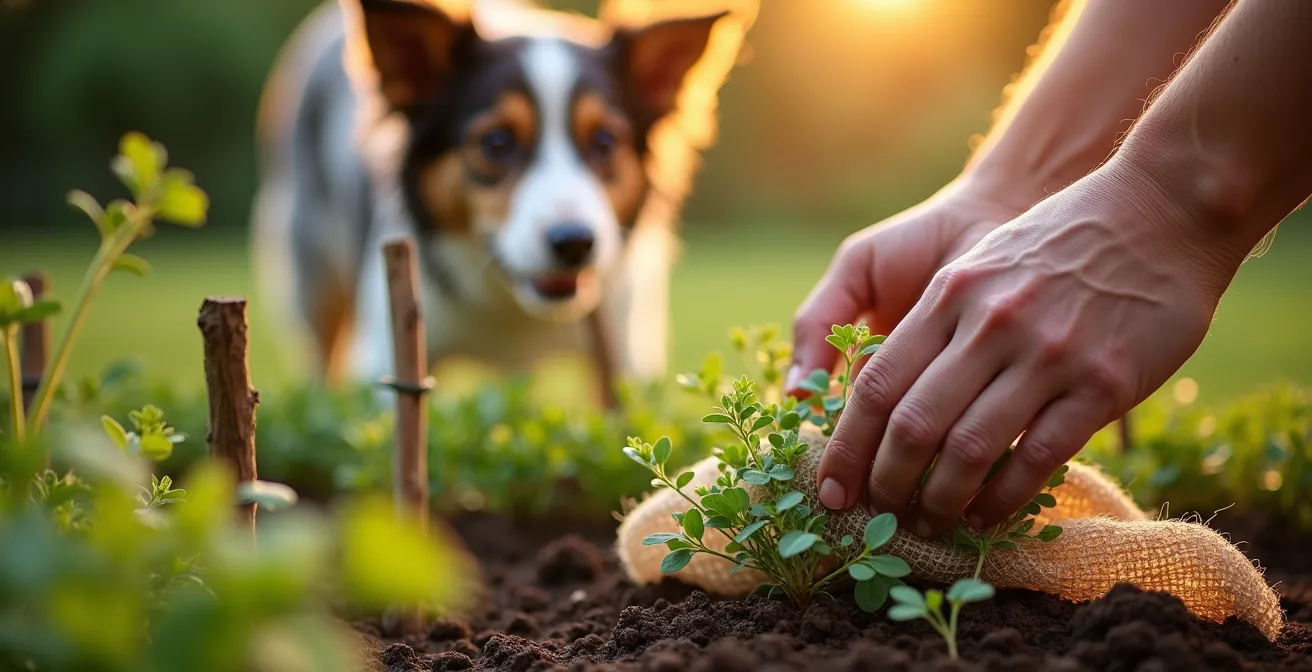
Even with perfect timing, new plantings need protection. Using temporary, natural barriers like small willow branch hurdles or covering the area with biodegradable jute netting, as shown above, prevents your dog from destroying the plants while they establish. This combination of strategic timing and temporary protection is fundamental to success.
Case Study: Traffic-Tough Native Ground Covers
Two standout performers for dog-friendly Zone 4 gardens are Labrador Violet (Viola labradorica) and Wild Strawberry (Fragaria virginiana). Labrador Violet is not only non-toxic and edible but can also tolerate foot traffic and occasional dog urine. Wild Strawberry is another native champion, establishing rapidly via runners within a single season. It creates a dense, self-repairing mat that is remarkably resilient to regular dog activity, effectively solving the problem of bare, muddy patches in a dog run.
Why Do Essential Oil Diffusers Cause Liver Failure in Some Cats?
While our focus is on the outdoor garden, a truly pet-safe environment requires a holistic view that includes indoor hazards derived from plants. A common and often overlooked danger is the use of essential oil diffusers, particularly in homes with cats. While they may seem like a natural way to scent your home, many essential oils contain phenolic compounds that can be toxic, and in some cases, lead to acute liver failure in felines.
The reason lies in a specific biological vulnerability. Cats lack a crucial liver enzyme called glucuronyl transferase. This enzyme is responsible for metabolizing and safely eliminating phenols from the body. Because they can’t process these compounds effectively, phenols build up to toxic levels. Veterinary toxicology research indicates this metabolic difference makes cats 3 to 5 times more sensitive to phenolic compounds than dogs. The airborne droplets from a diffuser can land on a cat’s fur, which they then ingest during grooming, leading to a slow and dangerous accumulation of toxins.
The danger is not limited to exotic or obscure oils. Many common household products and popular essential oils are rich in phenols. Understanding which ones pose the greatest risk is the first step toward creating a safer indoor environment. If you have cats, avoiding the diffusion of these oils is the most prudent course of action.
- Tea Tree Oil: A popular antimicrobial, but it contains a high concentration of terpenes and phenols.
- Pine Oil: Often found in common household cleaners, it is rich in pine phenols.
- Wintergreen Oil: This oil is nearly 100% methyl salicylate, a type of phenol.
- Cedar Oil: While the mulch is safe, the concentrated oil used in polishes can contain toxic phenols like thujone.
- Eucalyptus Oil: High in phenolic glycosides that are difficult for cats to process.
Why Does Cedar Mulch Create a Natural Barrier Against Ticks?
Choosing a safe mulch like cedar goes beyond simply avoiding the toxicity of cocoa bean mulch. It’s an act of preventive horticulture. Cedar mulch actively contributes to your dog’s health by creating a natural, inhospitable environment for pests like ticks and fleas. This benefit is rooted in the chemical composition of the wood itself. Cedar contains aromatic oils, primarily a compound called thujone, which is a potent natural repellent.
Ticks navigate their world through scent and sensation, and they find the strong aroma of thujone offensive. They will actively avoid areas where it is present. Research from integrated pest management studies shows that using cedar mulch can reduce tick populations by up to 73% in treated areas. By mulching the perimeter of your yard, the edges of wooded areas, or around your dog’s favourite lounging spots, you create a defensive barrier that ticks are reluctant to cross, significantly lowering the chance of your dog picking one up.
For Canadian gardeners, it’s also useful to know that not all cedar is created equal. The two primary types available in Canada, Eastern White Cedar and Western Red Cedar, have different properties. Both are effective, but their thujone content varies, which can influence their potency as a pest repellent.
| Cedar Type | Scientific Name | Thujone Content | Availability | Best Use |
|---|---|---|---|---|
| Eastern White Cedar | Thuja occidentalis | Moderate (0.4-0.6%) | Ontario, Quebec, Maritimes | Tick barriers, moderate repellency |
| Western Red Cedar | Thuja plicata | High (0.8-1.2%) | British Columbia, Alberta | Maximum pest repellency |
Regardless of the type, using cedar mulch is a smart, two-for-one strategy. You enhance the beauty and health of your garden beds while simultaneously creating a safer space for your pet, embodying the principle of a functional, integrated, and pet-safe landscape.
Key Takeaways
- Prioritize native Canadian plants like Ostrich fern for their built-in resilience to our climate and to dog traffic.
- Solve lawn burn issues permanently by building a dedicated, deep-drainage potty area instead of relying on temporary fixes.
- Always use non-toxic mulches like cedar or pine; cocoa bean mulch is highly toxic and should be completely avoided.
- Be aware of seasonal dangers, especially toxic bulbs like tulips that digging dogs can unearth in the spring.
Why Are Native Canadian Ferns Better for Dog Runs Than Exotic Ornamentals?
We’ve established that native ferns are physically tougher and safer for dogs, but their superiority extends beyond direct interaction with your pet. Choosing native species is also a fundamentally better horticultural and ecological decision for your Zone 4 garden. An exotic ornamental, bred in a controlled environment, is a guest in your garden; a native fern is part of the family. It understands the soil, the pests, the short growing season, and the long, cold winter.
This deep adaptation means less work for you and a healthier garden overall. Native ferns are adapted to our natural soil profiles, so you won’t need to constantly amend the soil with special additives. They have co-evolved with local insects and fungi, giving them natural resistance to many pests and diseases that plague non-native plants. This reduces or eliminates the need for chemical pesticides, which is another crucial layer of safety for your dog and the local wildlife.
Furthermore, by planting native species, you are contributing to the health of your local ecosystem. These plants provide food and shelter for native pollinators and insects, which in turn support the birds and other wildlife in your area. An exotic ornamental is often a biological dead-end, offering little to no value to local fauna. A garden filled with native ferns and other local plants becomes a small but vital habitat, weaving your personal space into the larger ecological fabric of your region. It is the ultimate expression of a garden that works in harmony with its environment, rather than fighting against it.
By designing your garden as a complete ecosystem, you move beyond simply avoiding danger and begin to proactively create a space that is resilient, beautiful, and fundamentally safe. The next step is to take these principles and apply them to your own unique space, creating a customized plan that works for your yard, your climate, and your dog.